




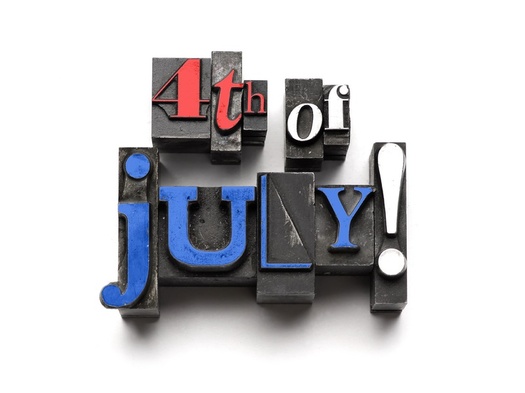
On July 5th, 1852 Frederick Douglass was asked to give an Independence Day speech before the Rochester Ladies Anti-Slavery society in Rochester, NY at Cortinthian Hall. Historian Philip S. Foner has called this excerpt “probably the most moving passage in all of Douglass’ speeches.” You can find the entire speech here.
What, to the American slave, is your 4th of July? I answer; a day that reveals to him, more than all other days in the year, the gross injustice and cruelty to which he is the constant victim. To him, your celebration is a sham; your boasted liberty, an unholy license; your national greatness, swelling vanity; your sound of rejoicing are empty and heartless; your denunciation of tyrants brass fronted impudence; your shout of liberty and equality, hollow mockery; your prayers and hymns, your sermons and thanks-givings, with all your religious parade and solemnity, are to him, mere bombast, fraud, deception, impiety, and hypocrisy — a thin veil to cover up crimes which would disgrace a nation of savages. There is not a nation on the earth guilty of practices more shocking and bloody than are the people of the United States, at this very hour.

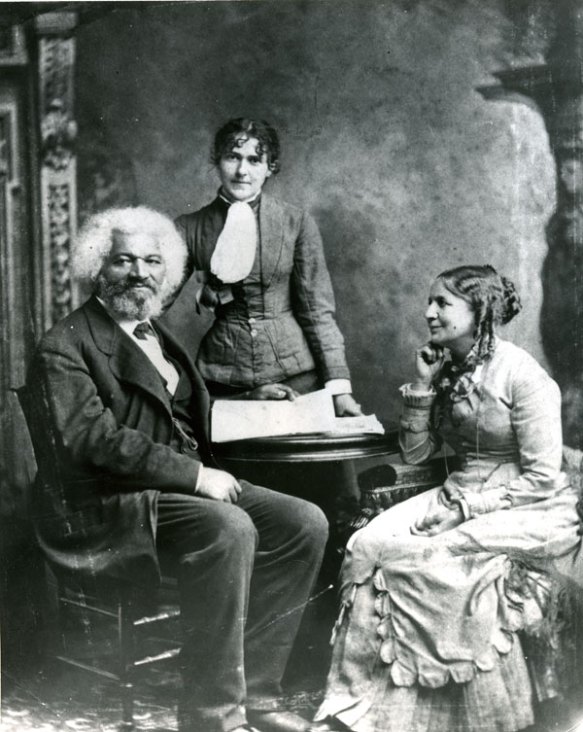
Douglass, his second wife Helen, and their niece Eva
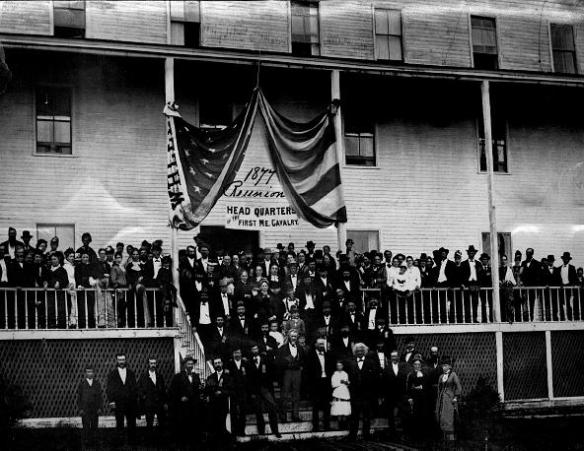
IN 1877, THE GREAT AFRICAN AMERICAN ORATOR AND WRITER FREDERICK DOUGLASS, WHO HAD SPENT MOST OF HIS LIFE FIGHTING FOR THE ABOLITION OF SLAVERY AND FOR THE RIGHTS OF ALL INDIVIDUALS, TRAVELLED THROUGH NEW ENGLAND ON A SPEAKING TOUR. HE WAS INVITED BY VETERANS OF THE FIRST MAINE CAVALRY, A FAMOUS CIVIL WAR UNIT, TO JOIN THEM AT THEIR ANNUAL REUNION IN OLD ORCHARD BEACH. DOUGLASS IS STANDING FOURTH FROM RIGHT IN THE FIRST ROW. HE NOTED THAT IT WAS A SIGN OF GREAT PROGRESS IN RACE RELATIONS THAT HE HAD ENJOYED “A GAME OF CROQUET WITH LADIES AND GENTLEMEN OF A DIFFERENT RACE RIGHT OUT IN FRONT OF THE HOTEL.” via

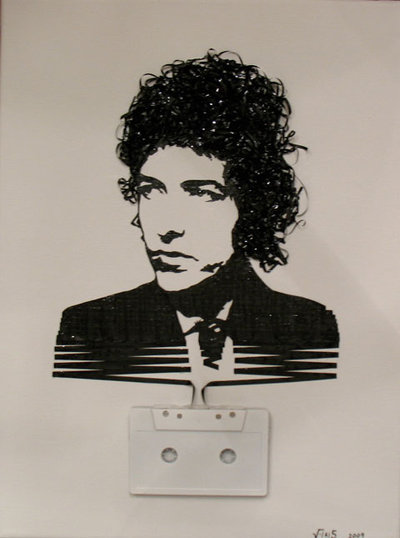

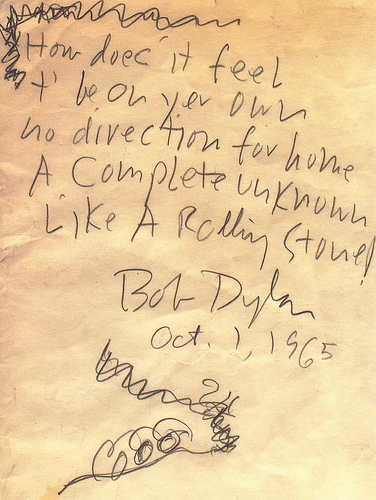
I’m not a major Bob Dylan fan or anything, but I love that song. I think it applies to a certain aspect of the biracial experience.

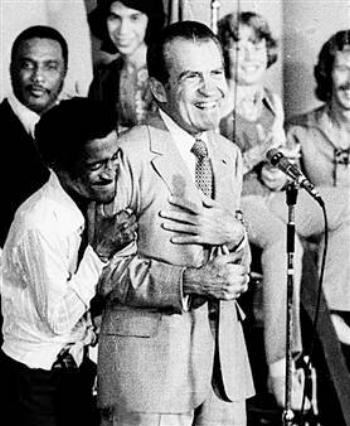
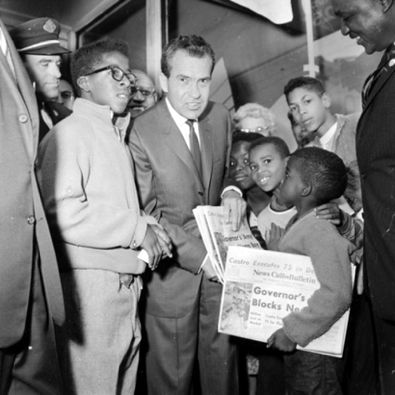
“Tricky Dick” wasn’t his only nickname (list), and since this confirms for me that he was an ass, I prefer to call him by his law school nickname, “Iron Butt.”
By Toby Harnden in Washington
Published: 7:49PM BST 24 Jun 2009
Commenting privately on the landmark 1973 Supreme Court ruling Roe vs Wade, which decriminalised abortion in the US, the then-president said he worried that access to a legal abortion could lead to “permissiveness” because “it breaks the family” but thought them justified in certain cases.
“There are times when an abortion is necessary,” he told his aide Chuck Colson. “I know that. When you have a black and a white.” Mr Colson offered that rape might also make an abortion legitimate, prompting Mr Nixon to respond: “Or a rape.”
The comments were revealed in more than 150 hours of tape and 30,000 pages of documents made public this week by the Nixon Presidential Library, part of the United State National Archives.
They were recorded by secret microphones in the Oval Office from January and February 1973 and provide fresh insights into Mr Nixon’s tumultuous presidency, which ended with his resignation in August 1974 over the Watergate scandal.
Mr Nixon was widely believed at the time to be privately opposed to abortion rights, though he declined to take a public stance on the issue.
The tapes capture mundane conversations about daily life in the White House but also offer new insight into changes in US society.
During a telephone conversation with George H. W. Bush, then Republican National Committee chairman and later elected president in 1988, Mr Nixon said that a visit to the South Carolina legislature had persuaded him of the value of female political candidates for his party.
“I noticed a couple of very attractive women, both of them Republicans, in the legislature. I want you to be sure to emphasize to our people, God, let’s look for some … Understand, I don’t do it because I’m for women, but I’m doing it because I think maybe a woman might win someplace where a man might not … So have you got that in mind?” Mr Bush replied: “I’ll certainly keep it in mind.”
 mulatto diaries