wow… what a disparity… i find this project fascinating and heartbreaking. i also can’t help but think that there is a direct correlation between the racist advertising of old and the wide gulf between the experience of the predominantly white private school fourth grader and that of the student in the predominantly black inner city public school.
Drastically Different 4th Grade Stories
Two years ago, Judy Gelles was volunteering at an inner city public school and was assigned to a fourth-grade class. The school was as diverse as they come with children from African American, Hispanic and Asian immigrants. After several months of helping the students with their reading skills, she felt the need to connect with them on a deeper level. Mostly, she wanted to find out their stories.
She asked each student the following three questions:
Whom do they live with?
What do they wish for?
What do they worry about?
Inner City School USA
African-American, Hispanic, and Asian immigrants make up the fabric of this school. The majority of the children are African American. Many students come from broken families and live in dangerous neighborhoods. This is a “lock down” school. The gray fortress main door of the school becomes a blank slate for the students’ words. Their stories capture the gamut of societal issues: violence, immigration, the demise of the nuclear family, and the impact of the media and popular culture.


The biggest takeaway? “Family is extremely important to all children,” Gelles said. “They all need parents and relatives who care for them and look out for their future.”
After Judy Gelles learned about the deeply troubling stories of inner city 4th graders, she became even more curious. What were 4th grade children experiencing in different schools not just in the US but around the world? Across cultures, which values remained the same and which were starkly different? She not only compared an inner city school with a private one in the United States, she traveled abroad to India and China.
PRIVATE QUAKER SCHOOL, USA
Caucasian, African-American, Latino, and Asian students make up the fabric of the school. The majority of the children are Caucasian. The white clapboard main door of the school becomes a blank slate for their words. Most of these students love their school, come from two-parent families, and feel protected by their parents. They have high expectations of themselves, and worry about the negative effects of war, hunger, and global warming. A silent worship service for students and teachers takes place once a week from 8:30am to 9:00am. Anyone is allowed to share a message during this service.


These were her findings:
Inner city schools in the US have many problems due to the children’s chaotic family structure.
Students in the private schools in the US are more fortunate.
Students in China value education, and are extremely close to their parents.
In India, kindness, moral values, family, and education are highly valued.
READ MORE

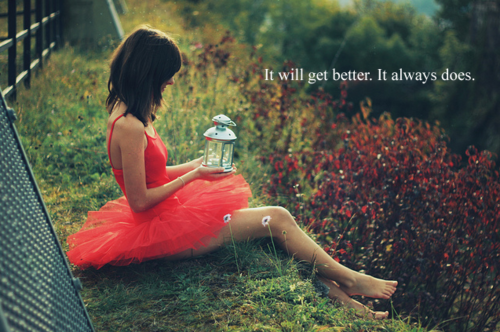
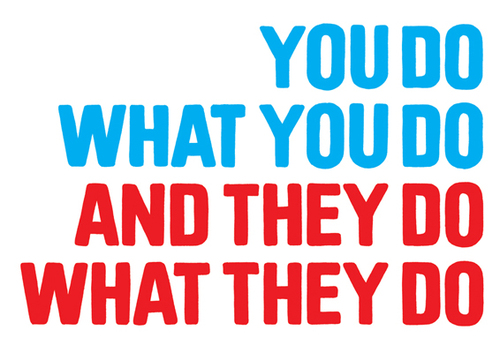
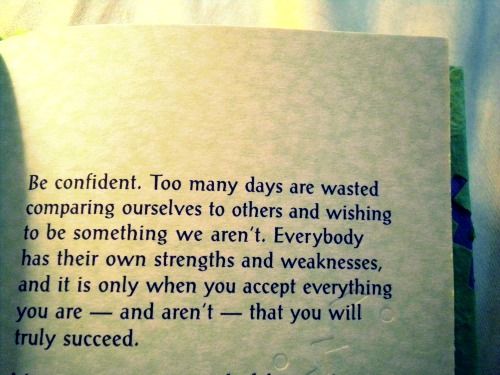
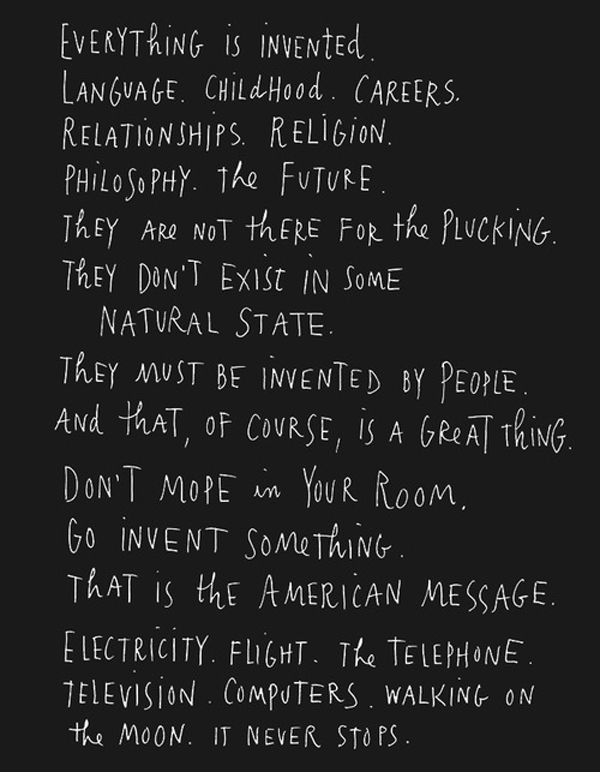
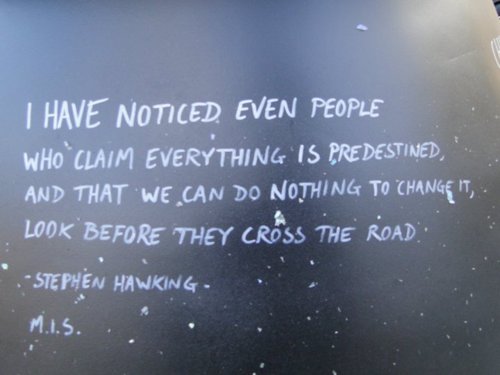
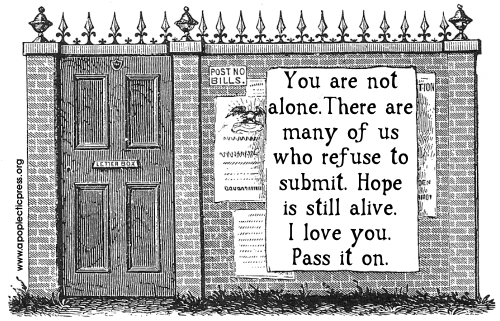 i’m breaking my tradition of just posting an inspirational quote with no title, no commentary because yesterday someone found their way to this blog by doing an internet search for “how can 11 yr.old girl accept being biracial.” i’ve been mildly haunted by this. i don’t have advice to offer from personal experience because when i was eleven, i didn’t think of myself as biracial exactly. so, though i was dealing with it and certainly many of my issues stemmed from it, i wasn’t pondering my life through that lens. i couldn’t have verbalized my angst in those terms. and, even if i could have, who knows how vastly different my situation was from that of the child who prompted the search. anyway, i just thought i’d post a few of these inspirational thingies i’m so very fond of in hopes that one or two of them might be just the perspective shifter or the advice needed to help in this situation….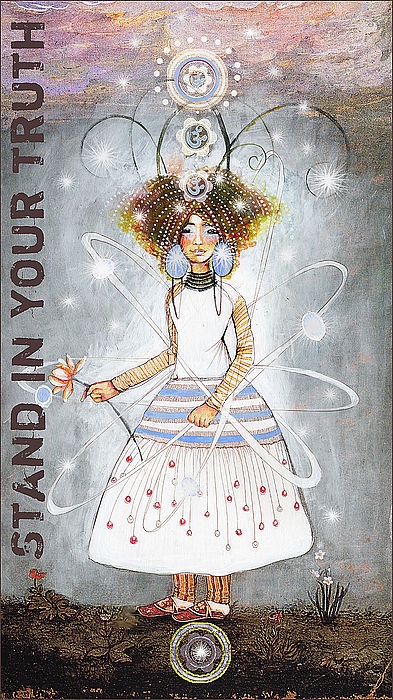

















 mulatto diaries